Breeding gundogs is a serious responsibility. Whether you are planning a single litter or offering a proven stud dog, responsible breeding protects the health, temperament, and working ability of future generations. In the UK, buyers are increasingly informed and expect transparency, health testing, and ethical standards from breeders.
This guide explains the breeding process, stud dog responsibilities, health testing, and best practices every gundog breeder should follow, helping you breed responsibly and attract the right buyers.
Why Responsible Breeding Matters
Gundogs are bred for specific purposes—retrieving, flushing, pointing, and working closely with handlers. Poor breeding decisions can result in:
- Inherited health conditions
- Poor temperament
- Reduced working ability
- Reputational damage to breeders
- Unsuitable puppies placed in the wrong homes
Responsible breeding protects the welfare of dogs and ensures the long-term quality of gundog lines in the UK.
1. Understanding the Breeding Process
Breeding should always start with a clear purpose. Ask yourself:
- Why am I breeding this dog?
- Does this pairing improve health, temperament, or working ability?
- Are both dogs physically and mentally suitable for breeding?
Breeding should never be driven purely by demand or profit.
2. Choosing the Right Stud Dog
Selecting the right stud is one of the most important decisions in breeding.
A suitable stud dog should have:
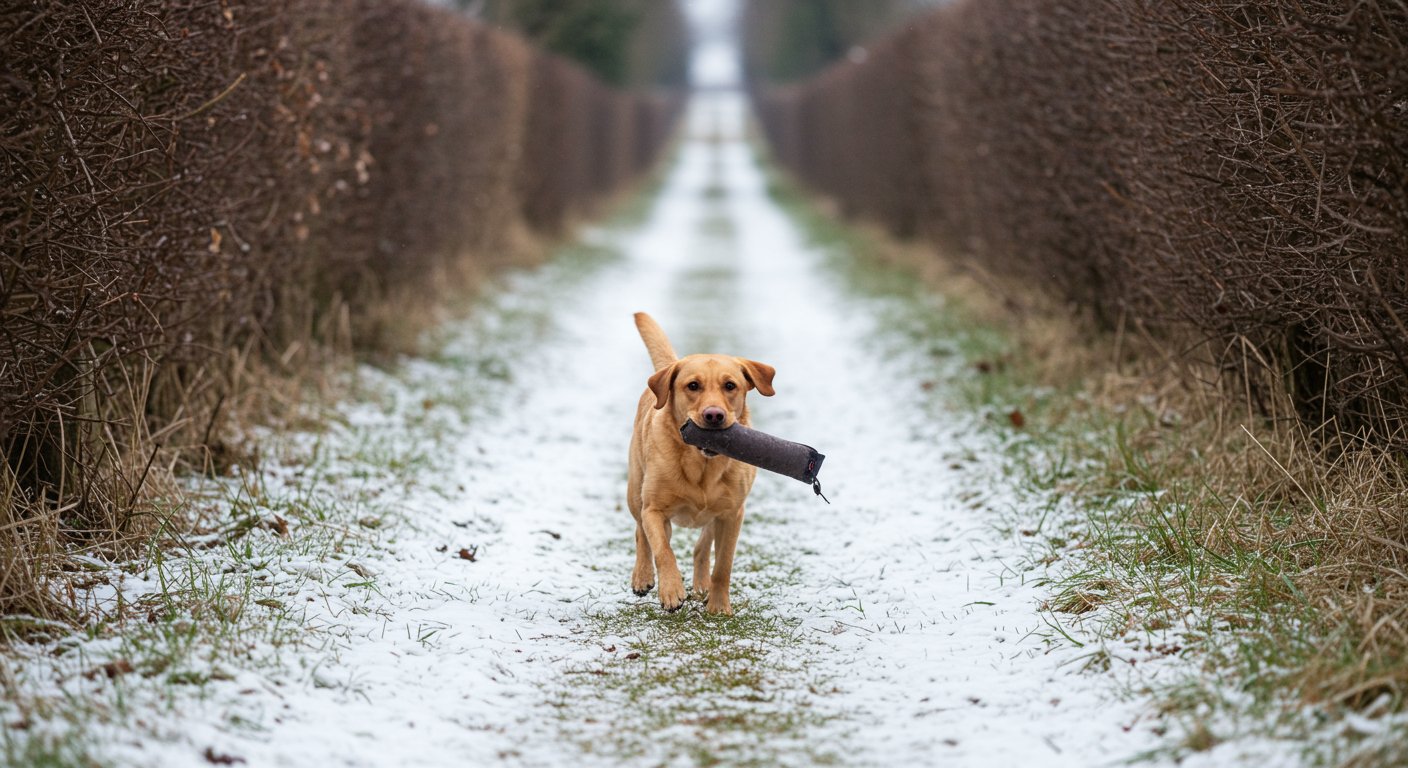
- Proven working ability or field experience
- Excellent temperament
- Full health testing (relevant to the breed)
- Clear pedigree and lineage
- Good conformation and movement
A popular stud is not always the best choice. Compatibility with the bitch matters more than reputation alone.
3. Essential Health Tests Before Breeding
Health testing is non-negotiable in responsible gundog breeding.
Common UK health tests include:
- Hip scoring (Retrievers, Labradors, GSPs)
- Elbow scoring (medium to large breeds)
- Eye testing (Spaniels, Retrievers, Setters, Pointers)
- DNA testing (PRA, EIC, CNM, FN depending on breed)
Both the stud and the bitch should be tested. Results should be shared openly with potential puppy buyers.
4. Understanding DNA Results
DNA tests typically classify dogs as:
- Clear – no genetic risk
- Carrier – carries one copy of a gene
- Affected – will pass the condition on
A carrier dog can still be responsibly bred if paired with a clear dog. Breeding two carriers together is irresponsible and should never occur.
5. Stud Agreements: Protecting Both Parties
A written stud agreement is essential.
A proper stud agreement should include:
- Stud fee or puppy-back agreement
- Number of mating attempts
- Repeat mating terms if pregnancy does not occur
- Responsibilities for veterinary costs
- Ownership of puppies
- Confidentiality and advertising permissions
Clear agreements prevent disputes and protect both breeders.
6. Preparing for Mating
Timing is crucial.
Best practices include:
- Progesterone testing by a vet
- Natural mating or AI (where legally permitted)
- Calm, controlled environment
- Supervision during mating
Rushed or poorly timed matings reduce success rates and increase stress on dogs.
7. Pregnancy Care for the Bitch
Once pregnant, the bitch requires careful management.
Responsible breeders should provide:
- High-quality nutrition
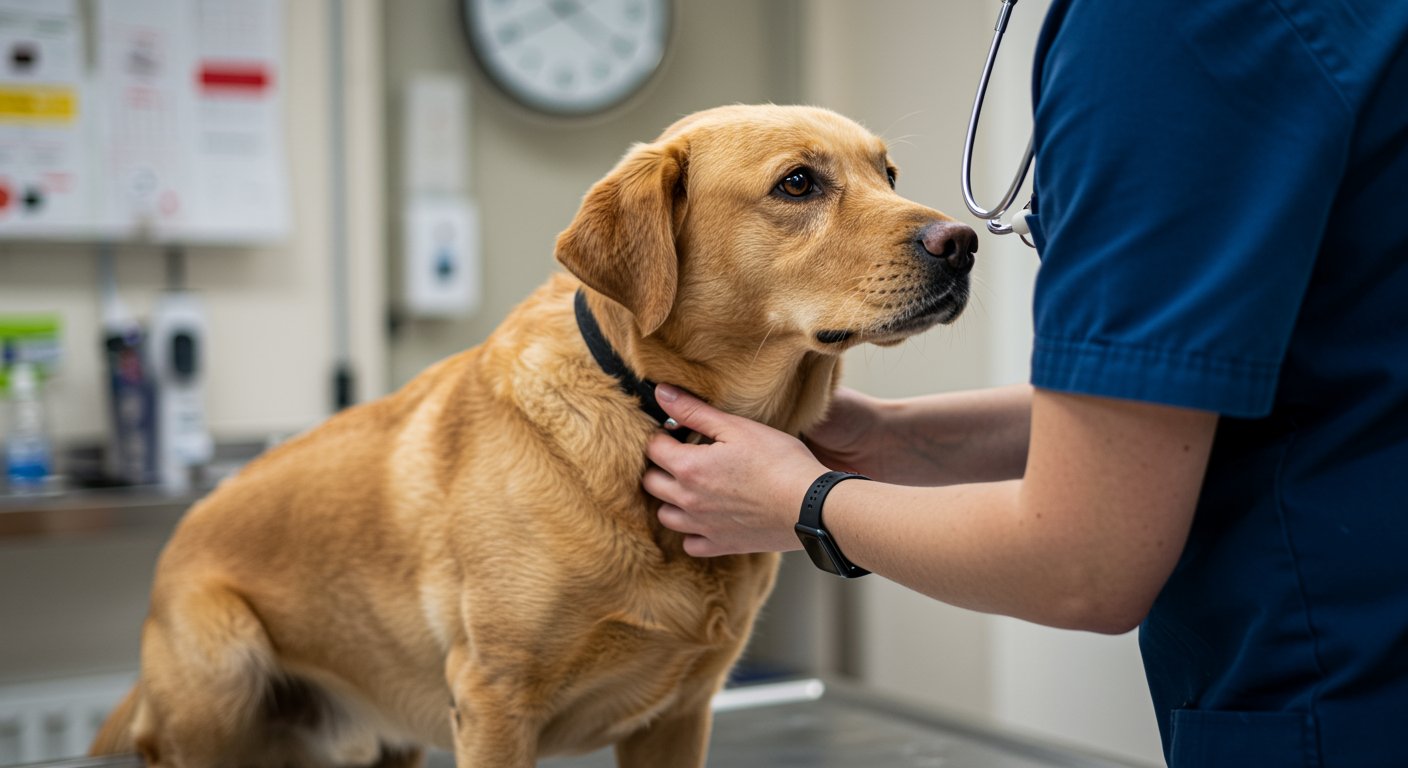
- Regular vet check-ups
- Controlled exercise
- Stress-free environment
Over-exercising or poor nutrition can affect litter health.
8. Whelping and Early Puppy Care
Whelping should take place in a clean, quiet, and warm environment.
Key responsibilities include:
- Monitoring the birth
- Immediate veterinary support if complications occur
- Early handling and socialisation
- Accurate weight and health monitoring
The first eight weeks are critical for physical and behavioural development.
9. Socialisation and Early Training
Responsible breeders begin early development.
This includes:
- Exposure to household noises
- Gentle handling by people
- Introduction to different surfaces
- Early confidence-building experiences
Well-socialised puppies adapt better to new homes and training.
10. Placing Puppies in the Right Homes
Not every buyer is suitable for a gundog.
Responsible breeders should:
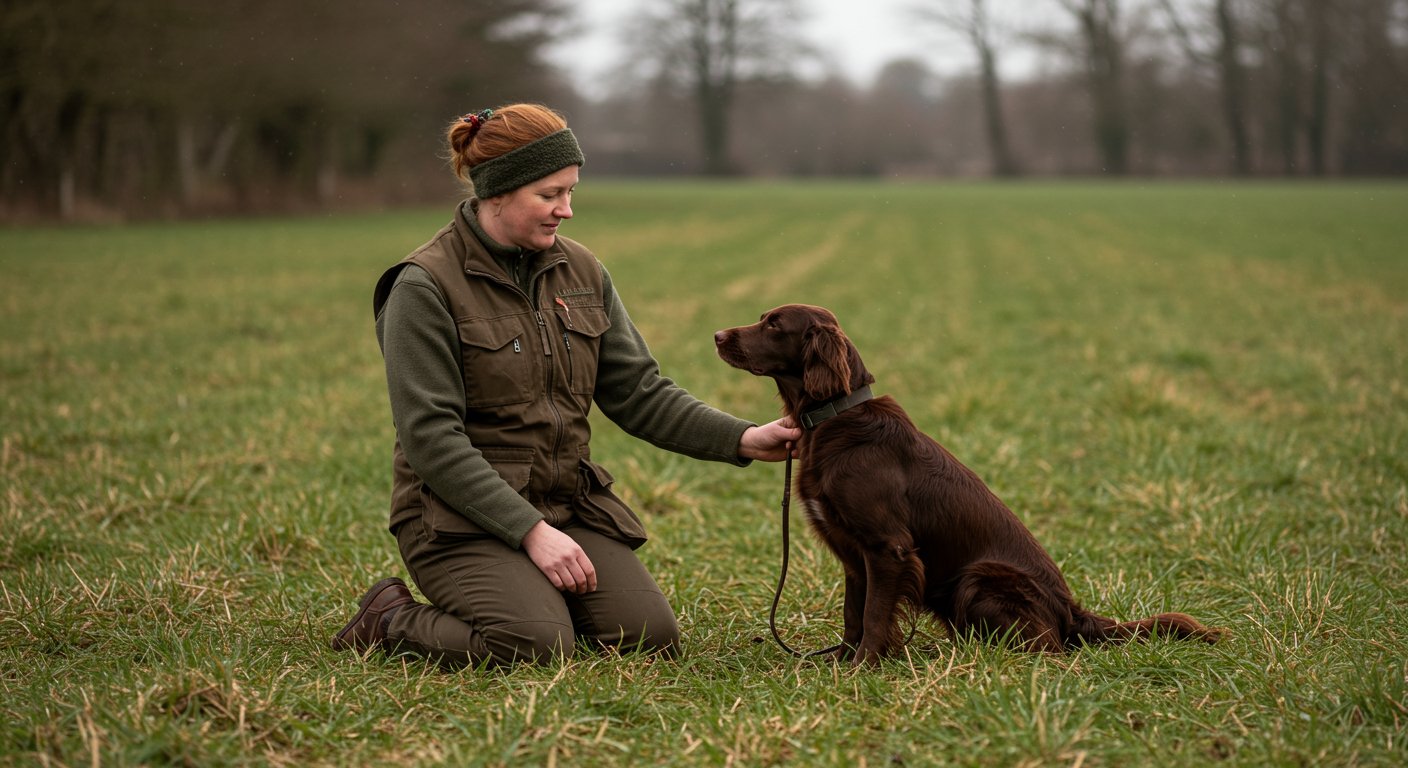
- Ask buyers about experience and lifestyle
- Explain working vs family expectations
- Decline unsuitable homes
- Offer lifetime support
Your responsibility does not end at sale.
11. Advertising Stud Dogs Responsibly
When advertising a stud dog, clarity and honesty are essential.
A good stud listing includes:
- Breed and working type
- Health test results
- Pedigree information
- Temperament description
- Photos and videos
- Location and availability
GunDogsMarket provides structured stud listings that attract serious breeders while discouraging misuse.
12. Legal and Ethical Responsibilities in the UK
Breeders must comply with UK animal welfare and licensing laws.
Key considerations:
- Breeding frequency limits
- Local council licensing (where applicable)
- Microchipping requirements
- Accurate advertising
Failing to comply can result in penalties and reputational damage.
How GunDogsMarket Supports Responsible Breeding
GunDogsMarket is built to support ethical breeders by offering:
- Dedicated stud dog listings
- Health information fields
- Breed-specific categories
- Location-based exposure
- Transparency-focused advert structure
This helps responsible breeders stand out and connect with informed buyers.
Final Thoughts
Breeding gundogs is about preserving quality, health, and working ability—not just producing puppies. By following responsible breeding practices, conducting proper health tests, and using clear stud agreements, breeders protect both dogs and buyers.
GunDogsMarket exists to support ethical breeders and promote high standards across the UK gundog community.
List your stud dog or litter responsibly on GunDogsMarket and connect with serious, informed buyers.